We often treat religion as a personal question: what someone believes, what they practise, how they pray.
Cathedrals complicate that, because they are not built only for prayer. They are built to organise a world.
A cathedral says: here is the centre, here is the hierarchy, here is the structure that will outlast you.
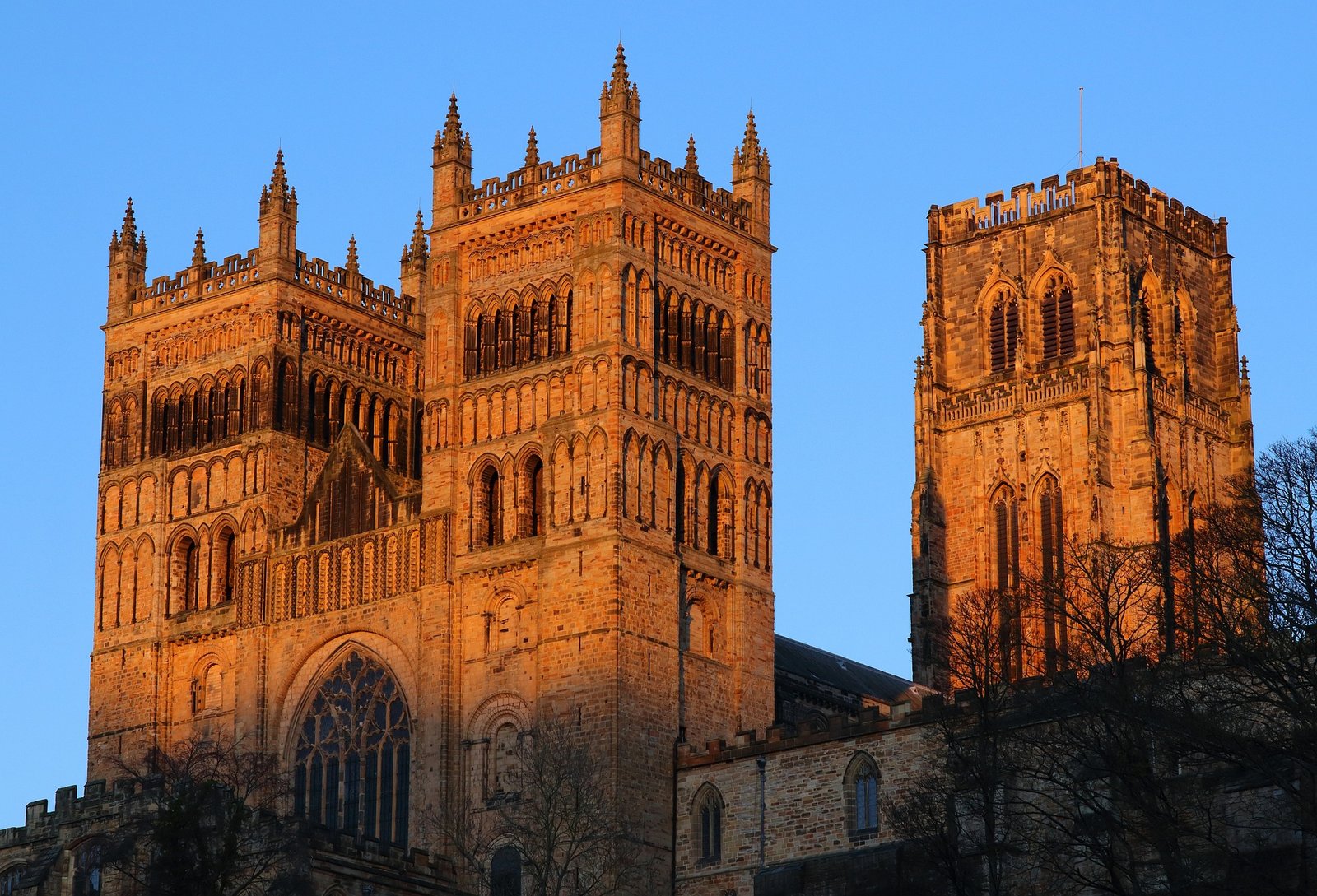
In medieval England, cathedral institutions were deeply entangled with governance, land, law, education, and economics. In Durham, this was especially intense because regional power did not sit neatly in one place. Authority had to be asserted, performed, maintained.
This is one reason gothic stories love cathedrals. They embody systems. They turn ideas into stone.
What power looks like in a cathedral city
- Control of space: who may enter, who may speak, who must kneel.
- Control of time: bells, feast days, schedules, the calendar of obligation.
- Control of knowledge: archives, literacy, official records, sanctioned stories.
- Control of mercy: charity, alms, and the price of being helped.
In The Beatrice Chronicles, Heaven is not simply “good”. Hell is not simply “bad”. Both are systems with incentives, rules, and the capacity for cruelty. Durham, as a cathedral city, becomes a perfect mirror for that theme. It lets the story ask a question I care about more than “who wins?”:
What does a perfect order cost, and who pays it?

0 Comments