There is a particular kind of darkness that belongs to old stone.
Not the friendly darkness of a bedroom, not the theatrical darkness of a film set. A darkness that feels like weight. Like history. Like the world continuing without your permission.
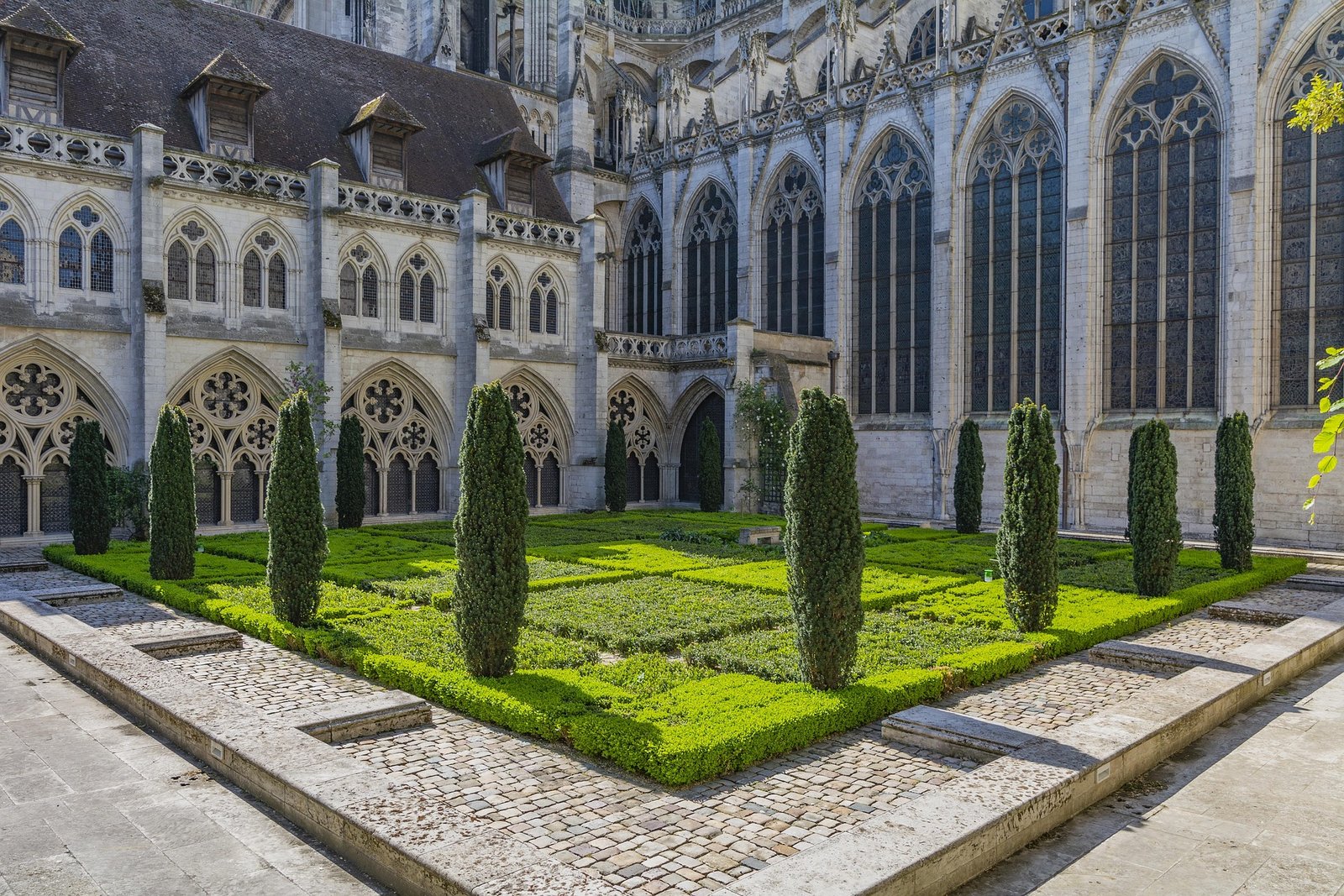
Durham Cathedral is a masterpiece of presence. In daylight it is magnificent. At night it becomes something else: a silhouette that turns the sky into an architectural feature, an argument made in stone. The gothic imagination loves this because it is honest. A cathedral is not neutral. It declares what matters.
In Eternal Guardian, I wanted Durham’s sacred spaces to feel both protective and complicit. Sanctuaries are beautiful, but they also have rules. They shelter you, and they judge you. That tension is the beating heart of gothic fantasy.
Three details I always notice in cathedral spaces
- Sound behaves differently
Footsteps don’t just echo, they multiply. A small noise becomes an announcement. - Light is never simple
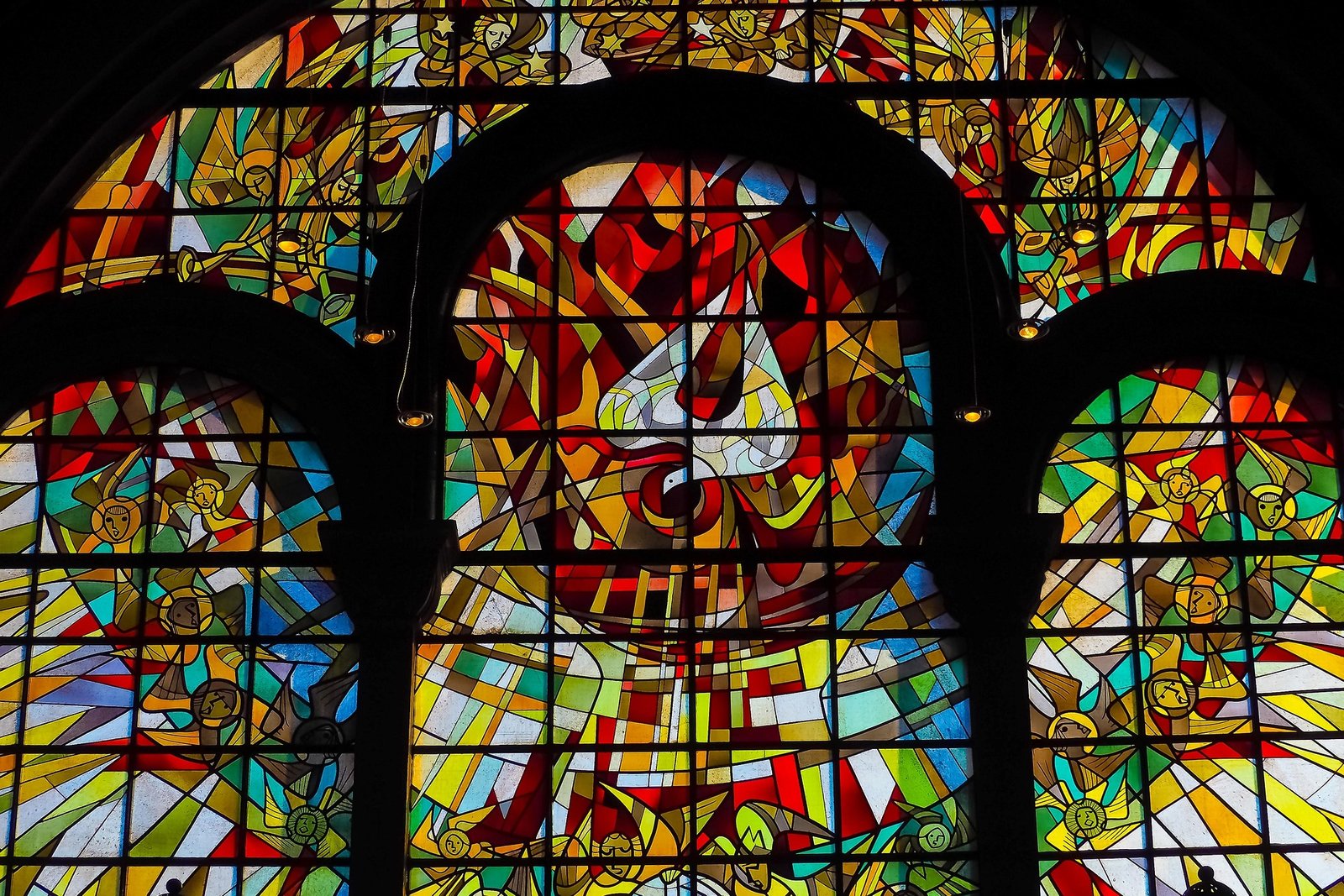
Candlelight and stained glass create an unstable truth. Faces appear, then disappear. You can believe in what you want to see. - Scale makes you moral
Huge buildings have a way of forcing your internal drama into perspective. It can be comforting. It can also be cruel.
For Teague, the cathedral is not merely a setting. It is a discipline. It is where duty becomes physical: stone, cold air, time measured in hours of watchfulness.
And for Beatrice, it becomes something more dangerous. A place where certainty falters. Where compassion becomes visible.
If you have ever stood in a cathedral and felt smaller in a way that was not humiliating, you already understand the emotional architecture of this series.


0 Comments